Have you ever wondered how certain advertising campaigns become so wildly successful that they seem to take on a life of their own? Just think of the Old Spice commercials featuring the charismatic “Old Spice Guy”—a perfect mix of humor and absurdity that captivated audiences and turned an ordinary product into a cultural phenomenon.
The power of viral marketing lies in its ability to create experiences that resonate deeply with people, turning them into enthusiastic brand advocates. In this article, we’ll dive into the world of viral marketing, exploring its meaning, benefits, challenges, and some of the most memorable campaigns that have leveraged this unique strategy.
Understanding viral marketing
Viral marketing is a strategy designed to encourage individuals to share a marketing message about a product or service across their networks, primarily through social media. Its success hinges on the organic spread of the message, much like a contagious virus, reaching a wide audience beyond the initial target. The goal is to ignite conversations and interactions that amplify the marketing message, making it irresistible to share.
Unlike traditional marketing, where companies push their messages outwards, viral marketing relies on the audience’s active participation in spreading the content. To achieve virality, brands must develop engaging, relatable, and shareable content that resonates with their audience on an emotional level.
The notion of hitting the viral jackpot isn’t simply about having a well-crafted plan; it involves a combination of creative strategy, deep audience insight, and often, a sprinkle of luck. Over the years, many businesses—from startups to established corporations—have sought the elusive viral success. This guide aims to equip you with valuable insights and strategies to enhance your marketing efforts and increase your chances of creating content that sticks.
Key benefits of going viral
What makes viral marketing an attractive strategy for brands? Here are some key advantages:
- Explosive exposure: Viral marketing can propel your content into the spotlight, significantly expanding your reach. For instance, the Ice Bucket Challenge not only raised awareness for ALS but also engaged millions in a global conversation.
- Cost-effective buzz: Viral campaigns often generate substantial attention without requiring hefty budgets. The Dollar Shave Club’s quirky video showcased how creativity can lead to massive exposure without financial strain.
- Enhanced credibility: Going viral lends your brand consumer trust, as seen with Wikipedia, which gained credibility through word-of-mouth recommendations.
- Community building: Viral marketing fosters a sense of community around your brand, encouraging user interaction and loyalty, as demonstrated by platforms like Reddit.
- Increased lead generation: Engaging content attracts potential customers, translating leads into conversions—Dropbox’s referral program is a fine example.
- Boosted sales: Heightened engagement often leads to increased sales, as evidenced by the Instant Pot’s surge in popularity driven by online buzz.
- Heightened brand awareness: Viral campaigns create lasting impressions, enhancing brand recall—Coca-Cola’s “Share a Coke” campaign is a perfect illustration.
- SEO perks: Viral content can boost your SEO rankings through backlinks and mentions, improving overall online visibility.
- Customer engagement boost: Interactive viral content helps build stronger connections with consumers, as seen in Old Spice’s engaging campaigns.
- Market insight gains: Feedback from viral content can provide valuable insights into market trends and consumer preferences.
Challenges associated with viral marketing
Despite its allure, viral marketing comes with its unique set of challenges. Here’s a rundown of potential pitfalls:
- Unpredictability: Even the best campaigns can fall flat; there’s no guaranteed formula for success in virality.
- Negative buzz: Sometimes, campaigns attract attention for the wrong reasons, leading to damaging publicity that requires extensive damage control.
- Brand dilution: Rapid message spread can distort your brand’s essence, leading to an inaccurate representation of your values.
- Resource intensive: Creating standout content requires considerable time and creative effort, which may not always yield results.
- Short-lived impact: Viral trends can be fleeting; what’s hot today may be forgotten tomorrow.
- High expectations: Following a viral hit creates pressure to replicate that success, making it challenging to maintain momentum.
- Audience misalignment: A wide reach doesn’t always mean reaching your target audience, potentially leading to engagement from users who may not convert.
- Privacy concerns: In the quest for virality, brands risk overstepping data privacy boundaries, which can backfire.
- ROI uncertainty: It’s challenging to measure whether viral buzz translates into actual sales or long-term loyalty.
- Overemphasis on quantity: Focusing too much on likes and shares can overshadow the importance of quality content.
Effective strategies for creating viral content
Creating viral content is not about luck; it requires a deep understanding of your audience and crafting messages that resonate. Here are some best practices to boost your chances:
1. Know your audience
A successful viral campaign starts with a deep understanding of your target audience. Knowing their interests, values, and emotional triggers can help you create content that resonates. For example, Netflix tailors its trailers based on individual viewing habits, making them share-worthy.
2. Use compelling visuals
Visual content grabs attention rapidly. Strong visuals tell your story and make your content more enticing to share. Platforms like Instagram thrive on visually appealing posts that often go viral.
3. Be creative
Unique and original ideas are the backbone of viral campaigns. The ALS Ice Bucket Challenge is a prime example of how a simple yet innovative concept can captivate the world.
4. Make emotional connections
Emotional storytelling creates memorable campaigns. Dove’s Real Beauty Sketches campaign connected deeply with viewers, addressing self-esteem issues and igniting conversations about beauty standards.
5. Optimize for shareability
Make sharing easy and intuitive. Incorporate sharing buttons and utilize platforms like TikTok to encourage user-generated content. Memes are inherently shareable and can quickly become viral sensations.
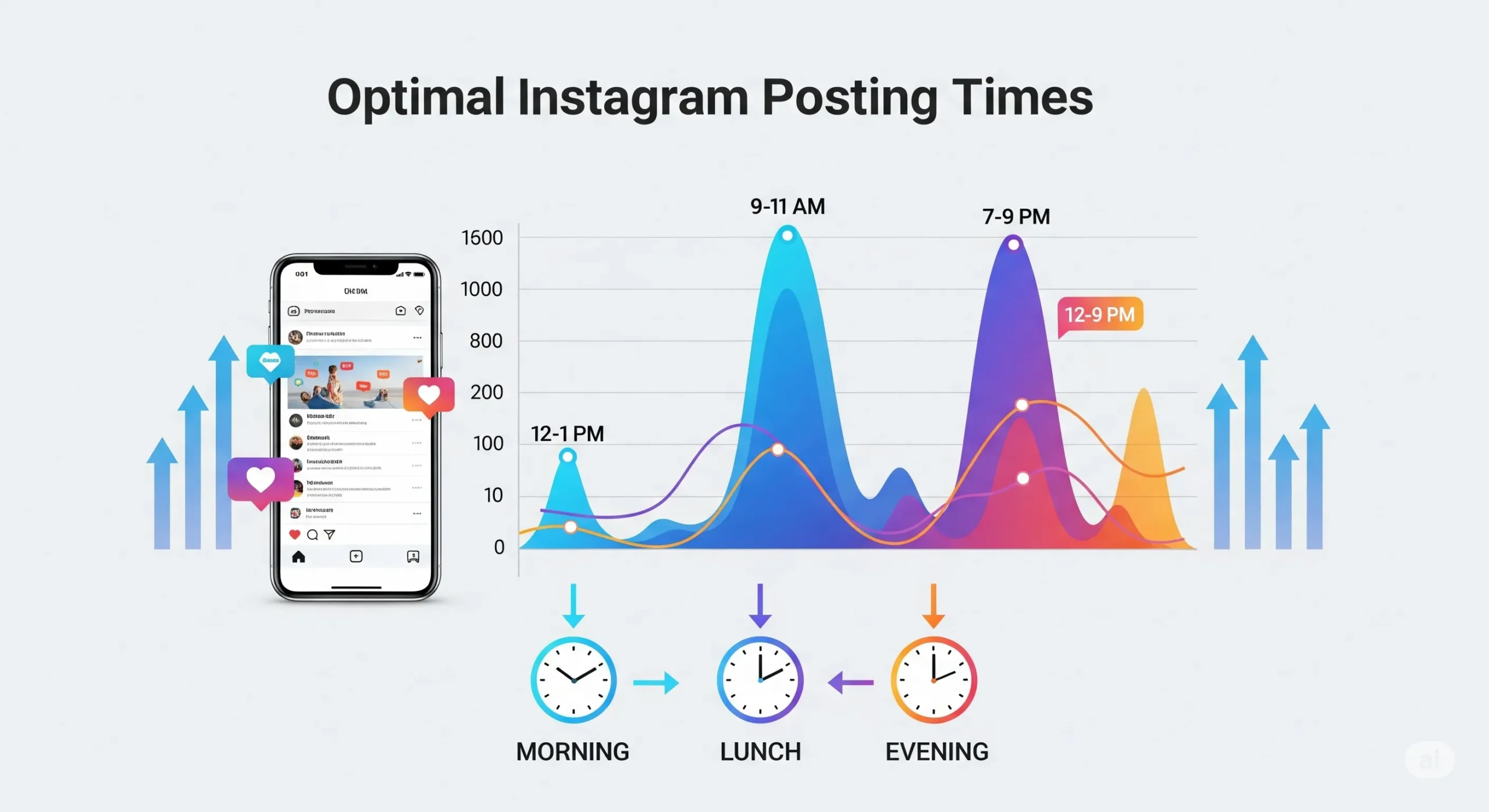
6. Timing matters
Launch your campaigns when your audience is most active. Aligning with significant events or trends can amplify engagement. For instance, Oreo’s famous tweet during the Super Bowl blackout skyrocketed their visibility.
Memorable viral marketing campaigns
Let’s dive into some of the most impactful viral marketing campaigns and the lessons they offer:
Old Spice: “The Man Your Man Could Smell Like”
Old Spice transformed its brand image targeting women who purchase men’s products with humorous ads that featured the iconic “Old Spice Man.” This clever strategy not only attracted attention but also became a viral hit, demonstrating how humor can effectively engage a new demographic.
Insights for businesses:
- Engage with your actual buyer, even if indirectly related to the end user.
- Creativity and humor can significantly increase brand recall.
Popeyes Chicken Sandwich
Popeyes created a viral sensation around its chicken sandwich by cleverly engaging in online conversations, sparking debates with competitors. This approach demonstrated how tapping into existing dialogues can create anticipation and excitement around a product.
Insights for businesses:
- Align product launches with current discussions for greater visibility.
- Timely and humorous responses can keep engagement high.
Blendtec’s “Will it Blend?”
Blendtec showcased its blenders’ power by blending unconventional items, creating entertaining content that naturally encouraged sharing. The unique premise made the series a viral sensation, proving the effectiveness of demonstrating product capability in an engaging way.
Insights for businesses:
- Demonstrating product capabilities engagingly can drive sales.
- Regularly releasing content keeps the audience coming back for more.
Spotify Wrapped
Spotify Wrapped has become an annual event, providing personalized insights into user listening habits. This campaign’s success lies in its ability to create shareable content that users eagerly anticipate, driving app engagement and downloads.
Insights for businesses:
- Personalized marketing resonates and encourages sharing.
- Regular updates can maintain audience engagement.
Nike “Just Do It” with Colin Kaepernick
Nike’s campaign featuring Kaepernick took a bold stance on social issues, sparking discussions about racial inequality. The campaign resonated deeply with audiences, demonstrating that aligning brand values with societal issues can create powerful connections and drive engagement.
Insights for businesses:
- Taking a stand on social issues can boost visibility.
- Aligning brand values with campaign messages enhances loyalty.
Always “#LikeAGirl”
Always tackled gender stereotypes head-on in their campaign, showcasing the strength of young girls. This powerful message resonated widely, proving that addressing societal norms can generate significant discussions and engagement.
Insights for businesses:
- Addressing social issues can lead to a broader audience reach.
- Utilizing hashtags can enhance engagement tracking.
#eyeslipsface Challenge by e.l.f. Cosmetics
e.l.f. Cosmetics engaged TikTok users with a catchy song and makeup challenge, leading to immense brand visibility. This campaign showcased the power of leveraging platform-specific trends for viral success.
Insights for businesses:
- Creating relatable, shareable content can enhance brand visibility.
- Engaging with popular trends can attract a younger audience.
The ALS Ice Bucket Challenge
The ALS Association’s campaign combined fun and charity, encouraging participation through a challenge that raised awareness and funds. The success highlights how enjoyable campaigns can create lasting impacts and drive engagement.
Insights for businesses:
- Engaging campaigns can foster a sense of community around a cause.
- Social media challenges can boost visibility significantly.
Dove “Real Beauty Sketches”
Dove’s campaign highlighted the discrepancy between how women see themselves versus how others see them. This emotionally resonant content sparked conversations about self-esteem and body image, proving that addressing real-world insecurities can drive shares and engagement.
Insights for businesses:
- Relatable content can facilitate deeper audience connections.
- Addressing societal issues can create meaningful discussions.
Mr. Beast’s philanthropic campaigns
Mr. Beast combines philanthropy with entertainment on YouTube, creating viral content that showcases generosity. His campaigns evoke shock and heartwarming reactions, prompting shares and discussions across platforms.
Insights for businesses:
- Philanthropy resonates well with audiences, enhancing brand image.
- Consistency in content fosters a dedicated audience base.
Coca-Cola “Share a Coke”
Coca-Cola’s campaign featured personalized bottles with names, encouraging consumers to share their finds. This personal touch resonated with audiences, driving widespread engagement.
Insights for businesses:
- Personalization enhances shareability and relatability.
- Involving the audience in campaigns can boost interactions.
GoPro User-Generated Content
GoPro encouraged users to share their adventures, showcasing the product’s versatility. User-generated content created authenticity and community, allowing GoPro to reach broader audiences organically.
Insights for businesses:
- User-generated content enhances brand authenticity.
- Encouraging shared experiences fosters brand loyalty.
Toms “One for One”
Toms’ “One for One” model combined consumerism with philanthropy, donating a pair of shoes for every pair purchased. This clear charitable mission resonated with consumers, promoting advocacy and sharing.
Insights for businesses:
- A strong charitable mission can enhance brand loyalty.
- Clear messaging aids in better understanding of the campaign.
Airbnb “Live There” Campaign
Airbnb’s campaign encouraged travelers to experience destinations as locals. This relatable message resonated with evolving travel preferences, prompting widespread sharing and discussion.
Insights for businesses:
- Encouraging unique user experiences can drive brand engagement.
- Showcasing diversity appeals to a broader audience.