Buying your first smartphone feels exciting… and overwhelming. Two brands dominate the conversation: Android and iPhone. Friends have opinions. Ads make promises. Social media pushes trends. But what actually matters for you, right now?
This guide cuts through the noise. No tech jargon. No brand loyalty. Just real-world advice to help you choose a phone that fits your life, your budget, and your habits.
By the end, you’ll know exactly which option makes sense for you—and why. No regret purchases. No pressure. Just confidence.
Why your first phone choice matters more than you think
Your first smartphone is not just a device. It becomes your alarm clock, camera, wallet, entertainment center, and communication hub.
This choice shapes how you connect with people, manage money, capture memories, and even work or study.
Pick the wrong phone, and you may feel frustrated every day. Pick the right one, and it becomes something you actually enjoy using.
That’s why this decision deserves a few minutes of real thought—not just following what friends have.
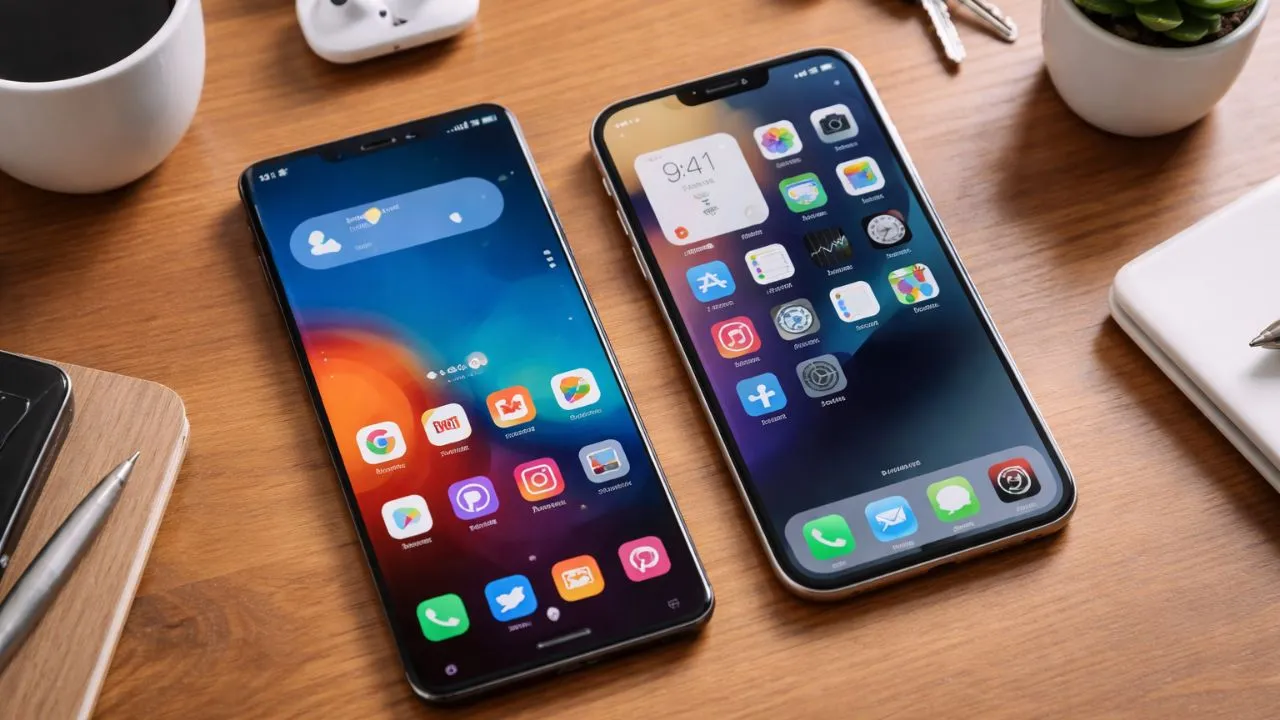
Android vs iPhone: what’s the real difference?
At a basic level, both make calls, send messages, browse the internet, and run apps.
But the experience feels very different.
Android phones come from many brands. Samsung, Google, Motorola, Xiaomi, and others. This means huge variety in price, design, and features.
iPhones come only from Apple. Fewer models, but very polished and consistent.
Think of it like this:
Android is like a marketplace with many options.
iPhone is like a curated boutique.
Neither is better. They just serve different types of people.
Real life example: Maria vs Kevin
Maria is 17. She wants her first phone for school, TikTok, photos, and chatting with friends. Her budget is limited.
Kevin is 35. He works remotely, owns a MacBook, and wants something reliable for business calls and email.
Maria chooses a mid-range Android phone. It fits her budget, has a big screen, and great camera filters.
Kevin chooses an iPhone. It syncs perfectly with his laptop, and he values privacy and long updates.
Both made smart choices. Different lives. Different needs.
Budget: the decision most people ignore
This is where most people go wrong.
They choose a phone based on brand, not budget.
Android phones exist at every price point. You can find solid models under $200 that work beautifully.
iPhones usually cost more, especially new models. Even older versions stay pricey.
Before choosing, ask yourself:
Can I comfortably afford this without stress?
If you need to sacrifice essentials, the phone is not worth it.
A cheaper phone that does what you need is better than a premium one that hurts your finances.
What you’ll actually use your phone for
Be honest.
Do you mostly:
• Scroll social media
• Watch videos
• Take photos
• Play games
• Use it for work
If your main use is messaging and social apps, you don’t need the most powerful phone.
If you create content, a good camera matters.
If you game, you need performance and battery life.
Your daily habits should guide your choice—not marketing.
Camera: more than megapixels
People love to compare numbers.
But real photos depend on software, lighting, and stabilization.
iPhones are known for consistent photos and video quality. You point and shoot, and it just works.
Android phones vary. Some budget models have average cameras. Premium Android phones compete with iPhone easily.
If photography matters to you, test sample photos online before buying.
Do not rely on specs alone.
Battery life: freedom vs frustration
Nothing kills joy faster than a dead phone at 3 PM.
Battery life depends on:
• Screen size
• App usage
• Software optimization
Some Android phones offer massive batteries and fast charging.
iPhones focus more on optimization. They may have smaller batteries but efficient performance.
Ask yourself:
Do I have access to charging during the day?
If not, prioritize battery life.
Storage: the silent problem
Your phone fills up faster than you think.
Photos, videos, apps, downloads—it adds up.
Android phones often allow SD cards for expansion.
iPhones do not. You must choose storage wisely from the start.
If you take lots of videos or download music, get more storage than you think you need.
Ecosystem lock-in: myth vs reality
People say:
“Once you buy an iPhone, you’re trapped.”
Not true. But there are trade-offs.
If you already own Apple products, an iPhone works seamlessly with them. Messages, photos, notes—everything syncs.
Android also has an ecosystem, especially with Google services. Works great across different brands and devices.
You’re not trapped. But switching later can feel inconvenient.
Social pressure and brand image
Let’s talk about it.
Some people choose phones to fit in.
Green bubbles vs blue bubbles.
AirDrop vs Bluetooth.
iMessage vs WhatsApp.
None of this affects your life in a meaningful way.
Your phone is a tool, not a status symbol.
Buy what works for you, not what looks good in photos.
Updates and longevity
iPhones receive software updates for many years. Even older models stay supported.
Android updates depend on the brand. Google and Samsung now offer long support, but budget phones may not.
If you plan to keep your phone for a long time, updates matter.
They improve security and features.
Privacy and security
Apple focuses heavily on privacy.
Android gives more customization but requires smarter settings.
Both are safe if used correctly.
What matters more is:
• Using strong passwords
• Avoiding suspicious apps
• Updating software
No phone protects you from bad habits.
How to decide without tech stress
Here’s a simple approach:
First, set your budget.
Then, list your top three needs.
Finally, compare models within your price range.
Do not compare a $200 phone to a $1000 phone. That’s unfair.
Compare within your budget only.
Common mistakes first-time buyers make
Many people regret their purchase because of simple errors.
• Buying the newest model just for status
• Ignoring storage needs
• Overestimating camera importance
• Not checking battery life
• Forgetting about future costs (cases, repairs)
Avoid these and you’re already ahead.
Myths vs reality
Myth: iPhones are only for rich people
Reality: Older models are affordable
Myth: Android phones are low quality
Reality: Many premium Android phones exist
Myth: You must choose the “best” phone
Reality: The best phone is the one you enjoy using
Final recommendation: choose your lifestyle, not a logo
There is no perfect phone.
Only the perfect phone for you.
If you want flexibility, variety, and lower prices, Android makes sense.
If you value simplicity, long updates, and Apple integration, choose iPhone.
Trust your needs. Ignore the noise.
F) FAQs
Is Android better than iPhone?
No. Each serves different users. Choose based on your needs, not brand.
Which phone lasts longer?
iPhones usually get longer updates, but some Android brands now match them.
Are Android phones cheaper?
Yes, you’ll find more affordable options on Android.
Is iPhone easier to use?
Many find it simpler, but Android is also user-friendly today.
Can I switch later?
Yes. Switching is possible, just requires some setup.
Do Android phones get viruses?
Rarely, if you download apps responsibly.
Is storage important?
Very. Choose more than you think you need.
Which is better for gaming?
Both. Look at specific models, not brand.