
Making viral object videos with AI has become one of the fastest ways to grab attention on social media because it blends two things algorithms love: visual curiosity and instant surprise.
Unlike traditional videos, you don’t need to shoot complicated scenes. You can start with a simple object (real or imagined) and transform it into something “impossible” in real life—yet completely believable on screen. That’s exactly what sparks comments, shares, and reactions.
How to make videos with artificial intelligence
👉 User instructions:
Go to Google Flow 👉 https://labs.google/fx/tools/flow
NOW COPY AND PASTE and only replace the text between 👉 [[ ]] with your idea.
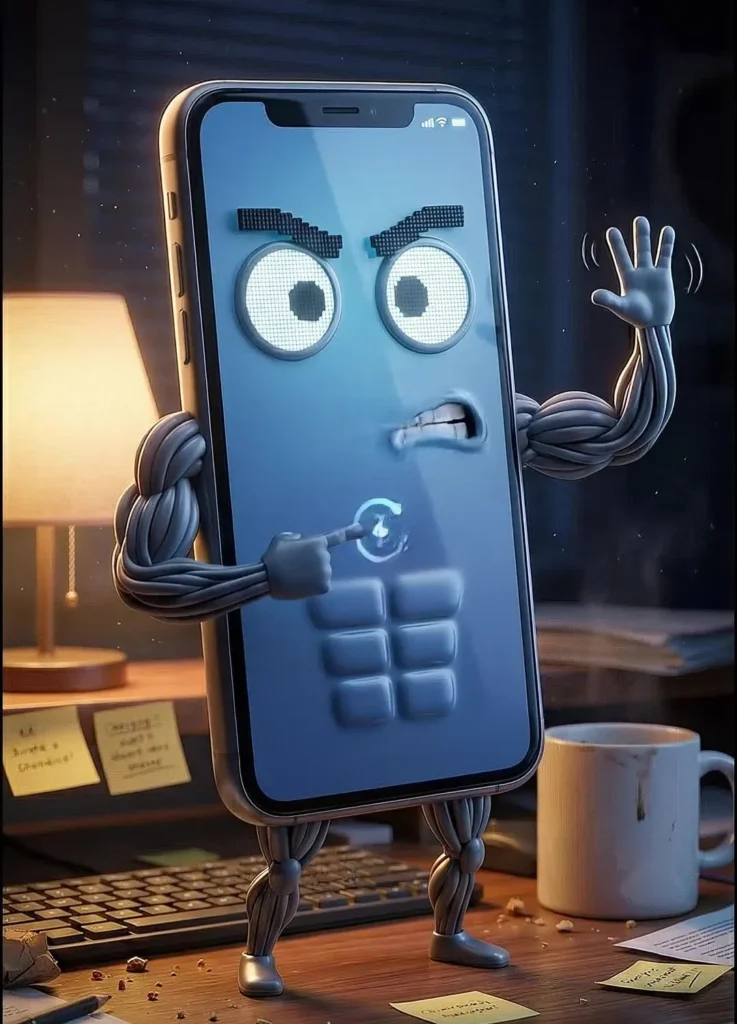
A 3D cartoon-style scene with [[PROTAGONIST HERE]] as the main character.

The character is anthropomorphized: big expressive eyes, a small mouth, small arms and legs, and a clearly angry facial expression.

The character is the main focus of the scene and looks directly at the camera. It has detailed surface texture and is life-size.

SCENE / SETTING:

The scene takes place in [[SCENARIO HERE]].

The environment is colorful, well-lit, and easy to understand. Add everyday elements related to the scene so it feels natural and relatable.

CAMERA FRAMING:

[[CAMERA FRAMING HERE]]

STYLE:

High-quality 3D render, cartoon-realism style, soft textures, rounded shapes, expressive but not childish, clean and visually appealing.

LIGHTING:

Bright, crisp lighting; colors should look vibrant but natural.

IMPORTANT:

No on-screen text, no logos, no UI elements. The character must be clearly visible and easy to understand.

The image should look eye-catching and perfect for social media.| Protagonista | Escenario aquí | Camera Framing |
| Strawberry Shoe SmartphoneWash Machine | Living Room Dinner TableGardenBedroom | Center45-degree angleClose upDynamic Movement |
Image results
Let’s go from image to video🚀
Now, you’ll use the downloaded image as a reference so the AI doesn’t have to create the scene from scratch:
Instructions for the user:
Now change the image option to video. Only replace the text between [[ ]] and don’t change the rest.
Use the reference image as a visual and character reference.

VIDEO FORMAT:
Vertical video, 9:16 aspect ratio, optimized for TikTok and Instagram Reels.

CHARACTER:
The main character is [[PROTAGONIST HERE]]. The character is anthropomorphized: big expressive eyes, a visible mouth, small arms and legs, clear facial expressions. The character looks directly at the camera.

SCENE:
The scene takes place in [[SCENARIO HERE]]. The environment is colorful, well-lit, and easy to understand. Add simple everyday elements related to the scene so it feels natural.

CAMERA:
[[CAMERA FRAMING HERE]]

ANIMATION:
Subtle eye blinks, mouth movement synced to speech, small natural body and arm movements, expressive but not exaggerated.

AUDIO / DIALOGUE:
The character speaks in Spanish (Latin American Spanish). The voice should sound natural, clear, and friendly.

IMPORTANT:
The dialogue must be synced with the character’s voice.

Dialogue the character must say:
"[[REPLACE HERE WITH THE TIP YOU WANT TO GIVE.
It must be short, clear, and easy to understand.]]"

LIGHTING:
Bright, crisp lighting, with vibrant but natural colors.

IMPORTANT RULES:
No on-screen text, no subtitles, no logos, no UI elements.

The final video must feel friendly, dynamic, and perfect for social media.
The result is like the one you see below 👇
The real secret is understanding why everyday objects perform so well in viral AI videos. Human faces connect, sure—but an object that “comes alive” or suddenly transforms breaks the viewer’s expectations in the first seconds. When someone sees a mug melting like liquid metal, a chair folding like paper, or a pencil turning into a tiny robot, the brain reads it as a visual glitch and keeps watching. That first burst of retention is pure gold for TikTok, Reels, and Shorts.
There are several high-performing styles of AI-generated object videos that consistently get traction. One of the strongest is the “everyday object, impossible behavior” concept: normal items placed in a realistic setting, but moving in a supernatural way. Another reliable format is the “extreme before-and-after,” where the object starts ordinary and ends as a futuristic, luxury, or hilariously over-the-top version of itself. The “object with personality” style also works well—when the item behaves as if it has emotions or intention (for example, a lamp that looks “scared” or a backpack that “runs away”). And of course, there’s the “oddly satisfying” approach: smooth transformations, clean textures, and hypnotic motion that people can’t stop replaying.
To make an AI object video feel truly viral, it should follow three core rules: clarity, surprise, and visual consistency. Clarity means the viewer instantly understands what the object is and what’s happening—no explanation needed. Surprise means the twist lands fast, ideally within the first 1–2 seconds. Visual consistency means that even if the action is impossible, it still looks real: correct shadows, believable reflections, consistent texture, clean lighting, and convincing physics.
Object choice matters more than most people think. The best performers are instantly recognizable items: a phone, remote control, bottle, mug, headphones, keys, sneakers, watch, chair, or laptop. If the viewer needs time to figure out what they’re looking at, the magic fades. Viral content is understood immediately. It also helps to pick objects with strong “transformation potential”—items that can change material, shape, or function in a way that feels natural rather than forced.
Context is another make-or-break detail for viral performance. An object can look impressive, but if it’s floating in an empty background with no real-world cues, the brain labels it as “just animation,” and impact drops. Place that same object on a realistic desk, in a kitchen, a workshop, or a street scene, and the illusion becomes much stronger. Viral AI videos usually come from familiar reality being slightly “broken,” not from something completely abstract.
In this format, sound and pacing are easily half the result—even if the object is the star. The clip should feel complete, like a tiny story that delivers a payoff quickly. That’s why short videos with one strong idea per clip win. If you try to cram in multiple transformations, it becomes confusing. One clear concept executed perfectly beats three ideas done halfway, every time.
Repetition also fuels growth. Many creators scale fast because they repeat a winning format across different objects. That trains the audience to expect a specific type of surprise and hooks them faster with every new post. Examples include “melting objects,” “objects turning into futuristic tech,” “objects behaving like animals,” or “objects opening to reveal a mini world inside.” Building a series creates a recognizable style, strengthens your brand, and improves performance over time.
Finally, the element that turns a “cool” clip into a viral one is the social trigger—the detail that makes people comment. It could be an optical illusion, a “did you see that?” moment, a shock transformation, or a scene that invites opinions: “Would you use this?”, “Which version is better?”, “What object should I do next?” When the viewer feels involved, reach multiplies.
In short, viral AI object videos work because they combine instant recognition with a creative break from reality. If the object is clear within one second, the twist hits fast, and the visuals stay realistic, you’ve got a strong foundation to compete in any feed. With consistency and repeatable series formats, a simple idea can grow into a signature style that people instantly associate with your content.