In a shocking event that rattled the heart of the nation, a man who believed he was Jesus Christ discharged a firearm outside the White House, prompting a swift and decisive response from the Secret Service. This incident raises critical questions about mental health, security protocols, and the ongoing discourse surrounding political violence in the United States.
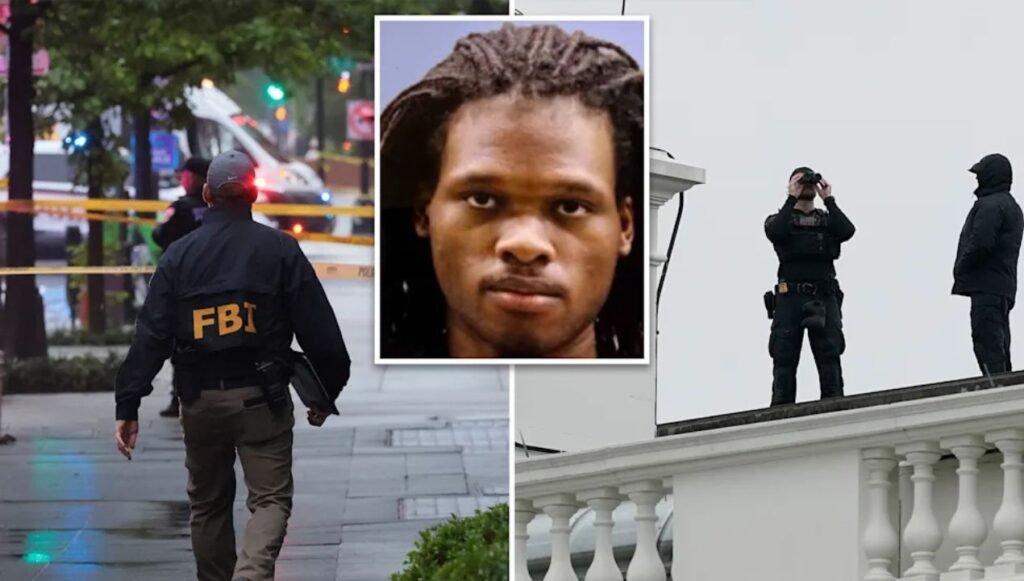
On Saturday evening, chaos erupted near the White House when 21-year-old Nasire Best opened fire at a security checkpoint around 6:10 PM. Witnesses reported seeing him behaving erratically along 17th Street Northwest just moments before the incident. Although he fired only a handful of shots, his actions led to a rapid and overwhelming response from law enforcement, resulting in his immediate neutralization.
Details of the Incident
Best’s shooting spree was abruptly ended by a barrage of gunfire from Secret Service agents, who were stationed nearby. The rapid response not only neutralized the threat but also served as a reminder of the heightened security measures in place surrounding the White House. Unfortunately, the incident also left at least one bystander seriously injured amidst the crossfire.
The motives behind Best’s actions remain unclear, but sources indicate that he had a known history of mental health issues. He was reportedly familiar to the Secret Service, having previously been observed loitering in restricted areas and violating a court order aimed at keeping him away from the White House grounds. This backdrop adds a layer of complexity to the incident, as it raises questions about how well authorities are able to manage individuals with documented mental health struggles.
Mental Health and Public Safety
The relationship between mental health and public safety can be intricate and challenging. When individuals like Best exhibit erratic behavior and make alarming statements, it can be difficult for authorities to determine the right course of action. In Best’s case, he had a history of being involuntarily committed due to his disruptive behavior. Key incidents include:
- June 26: Best was committed for obstructing traffic and causing disturbances.
- July 10: He was arrested for unlawful entry after bypassing security at the White House.
- During detainment, he declared himself to be Jesus Christ, indicating severe delusions.
These instances highlight the need for effective mental health interventions that can prevent potential tragedies. The ability of law enforcement to handle such situations without escalating them into violence is a pressing concern for communities nationwide.
Reactions from Officials and the Public
The shots fired near the White House sent shockwaves through the media and public, with many reporters present at the scene expressing their fear and confusion. Selina Wang, a senior correspondent for ABC, described the moment in detail:
“I was in the middle of taping on my iPhone for a social video from the White House North Lawn when we heard the shots. It sounded like dozens of gunshots. We were told to sprint to the press briefing room where we are holding now.”
The rapid lockdown of the White House demonstrated the urgency of the situation. Secret Service directed reporters to gather in a safe area while ensuring that the President remained unharmed during the incident. The lockdown was lifted approximately thirty minutes later, following a thorough assessment of the area.
In the aftermath, political leaders from both parties condemned the violence and expressed gratitude for the prompt action of the Secret Service. House Speaker Mike Johnson (R-LA) commended the agents for their bravery and extended prayers for the victims of the shooting. Similarly, Rep. Cory Mills (R-FL) emphasized that political violence has no place in America, urging all leaders to denounce it unequivocally.
The Broader Context of Political Violence
Saturday’s incident is part of a troubling trend of political violence in the U.S. Recent months have seen an uptick in violent incidents linked to political figures, raising concerns about the safety of public officials and citizens alike. Key events include:
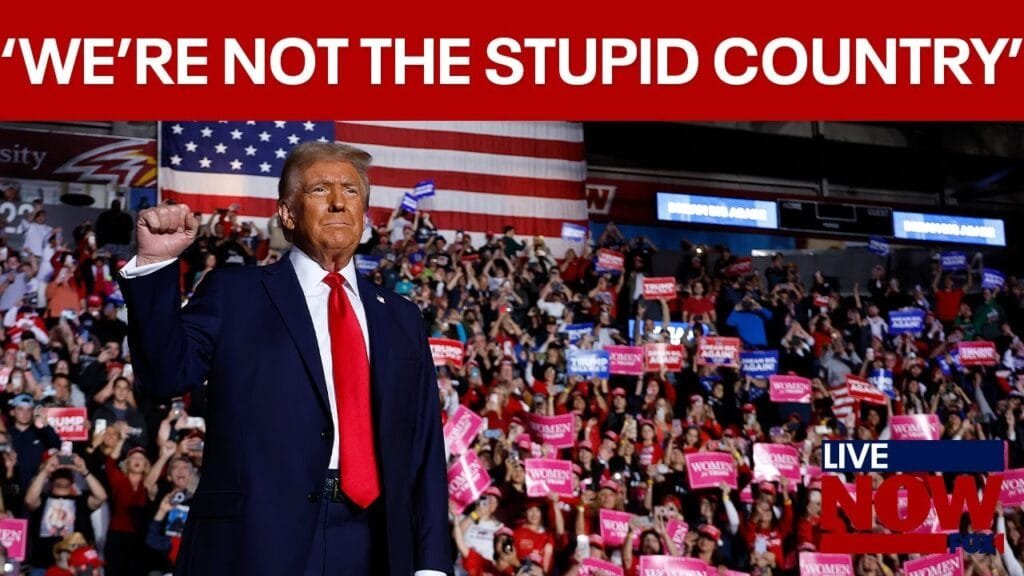
- A gunman firing at the White House Correspondents’ Association Dinner, where President Trump was present.
- Another shooting incident during a campaign rally in July 2024, which resulted in a near-fatal injury to Trump.
These alarming occurrences underscore the ongoing volatility in the political landscape, prompting calls for more robust security measures and a cultural shift towards non-violence in political discourse.
Future Implications for Security Protocols
As incidents like the one involving Nasire Best unfold, it raises critical questions about the effectiveness of current security protocols at high-profile sites such as the White House. The response of the Secret Service was immediate and effective, but it also highlights the need for continuous evaluation and improvement of security measures, especially in light of:
- Increasing frequency of threats against public officials.
- The role of mental health in determining potential risks.
- Public awareness and community engagement in reporting suspicious behavior.
In conclusion, the interplay between mental health, security, and political violence remains a complex issue requiring concerted efforts from law enforcement, mental health professionals, and policymakers. Addressing these challenges will be crucial for safeguarding public spaces and ensuring the safety of individuals, regardless of their political affiliations. As the nation reflects on this incident, it is clear that vigilance and compassion must guide future responses to similar threats.