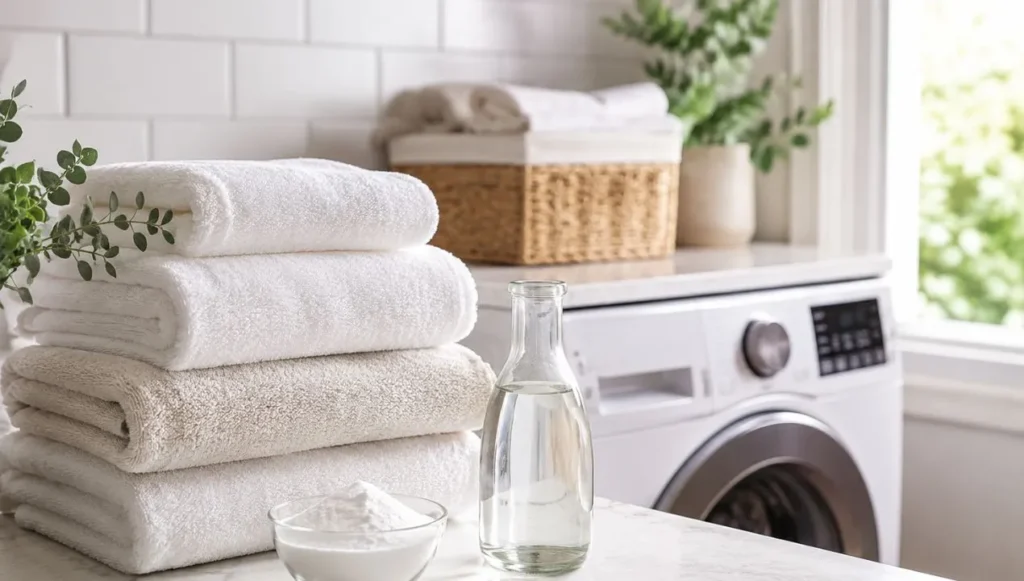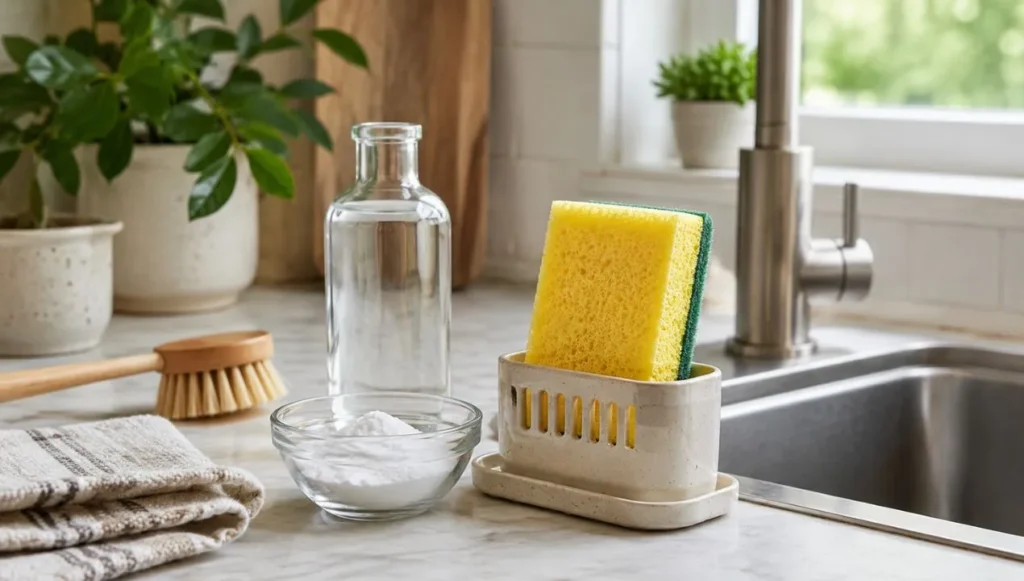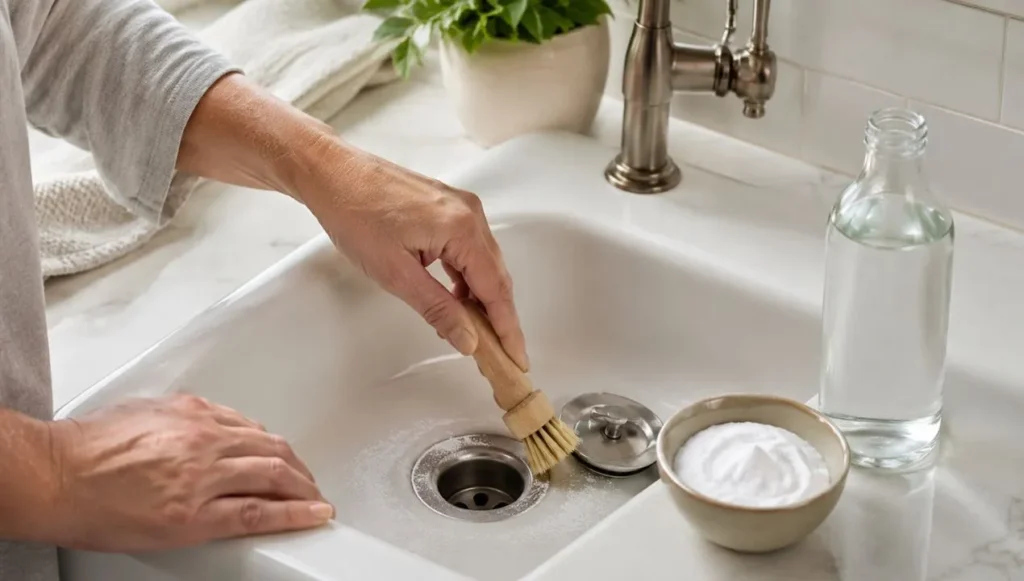
A closet can look perfectly organized and still smell stale the moment you open the door.
That musty odor usually is not a mystery. It comes from trapped moisture, poor airflow, worn fabrics, shoes, dust, and storage habits that quietly work against you.
The good news: you do not need plug-ins, sprays, or artificial fragrance. This guide explains how to keep a closet smelling fresh without air freshener using practical, natural methods that actually address the cause.
Quick Answer
To keep a closet smelling fresh without air freshener, remove odor sources first, keep clothes and shoes completely dry, improve airflow, and use natural odor absorbers such as baking soda, activated charcoal, cedar blocks, or breathable fabric sachets.
The most important step is moisture control. A closet that stays dry, clean, and uncrowded will usually smell fresher than one treated with fragrance. Natural closet odor control works best when it absorbs odors instead of covering them.
Why a Closet Starts Smelling Stale
A closet is a closed space filled with absorbent materials. Clothes, shoes, bags, boxes, linens, and even wooden shelves can hold odors. When the door stays shut for hours, the air becomes still. If humidity is present, smells become stronger.
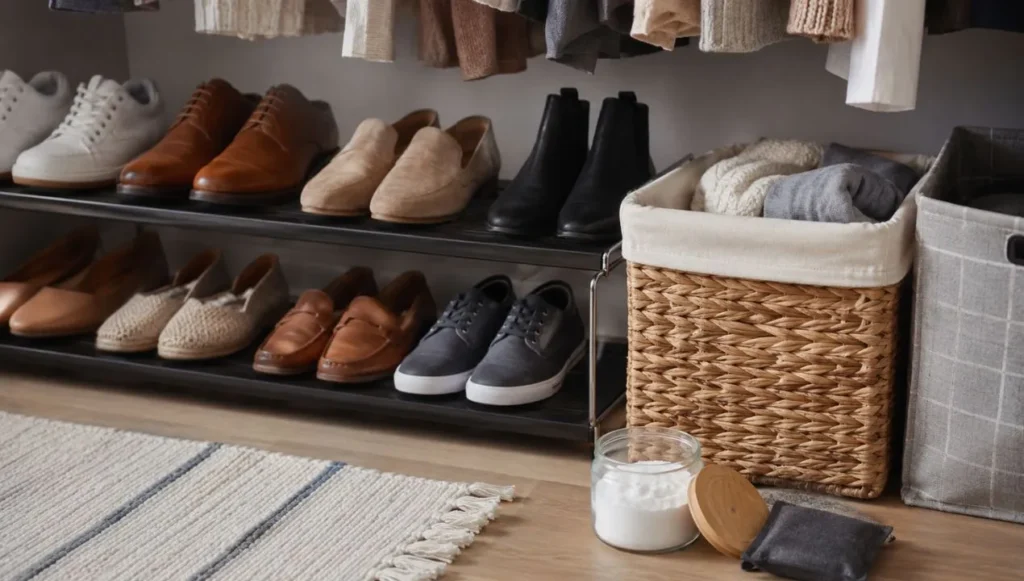
Why does a closet smell bad even when the clothes are clean? In many cases, the problem is not one dirty shirt. It is a combination of small things: damp fabric, old shoes, tight storage, dust, and poor ventilation.
A fresh smelling wardrobe depends on three conditions: clean items, dry air, and enough space for airflow. If one of those is missing, odor can build up quickly.
The mistake many people make is treating the smell as the main problem. The smell is usually the symptom. The real problem is what the closet is holding onto.
Why People Search for This Problem
Most people search for this topic because they are tired of opening a closet and smelling something unpleasant but cannot find the obvious cause.
Maybe the room is clean, the laundry is done, and the closet still smells musty. Maybe clothes come out with a stale odor even though they were washed. Maybe shoes are stored under hanging clothes, or seasonal items smell old after months in storage.
What should you do first when the smell keeps coming back? Start by assuming the closet needs a reset, not a stronger scent. Air fresheners can make the space smell pleasant for a moment, but if moisture or dirty items remain inside, the odor returns.
That is why natural methods work better long term. They help you control the environment instead of layering fragrance over the problem.
Common Signs Your Closet Needs Odor Control
A closet does not have to smell terrible to need attention. Small warning signs often appear first.
You may notice clothes smell flat or stale after hanging for a few days. Shoes may leave a noticeable odor near the floor. The closet may smell worse after rainy weather or during humid seasons. Folded clothes might feel slightly cool or heavy, even if they are not wet.
Another sign is that the odor disappears when the door is open but returns when it is closed. That usually points to poor airflow.
Is a musty smell in closet spaces always mildew? Not always. A musty smell may come from trapped humidity, dust, old fabric, or shoes. But if the odor is strong, persistent, or paired with visible spots on walls, fabric, or wood, moisture should be taken seriously.
The Real Goal: Neutral, Not Perfumed
A clean closet should not smell like a candle aisle. It should smell neutral, dry, and fresh.
This is an important shift. If you aim for heavy fragrance, you may hide the problem instead of solving it. If you aim for a neutral closet, you are more likely to clean better, store smarter, and prevent closet mildew smell before it starts.
Can a closet smell fresh without smelling like anything? Yes. In fact, that is often the best result. Clean fabric has a subtle scent. Dry air has no sourness. Cedar may add a soft woody note, but the closet should not smell overwhelming.
Step 1: Empty the Closet and Find the Odor Source
Before adding baking soda, cedar blocks, or charcoal, take everything out.
This may feel like extra work, but it is the fastest way to find the real problem. Remove clothes, shoes, bags, storage boxes, laundry baskets, accessories, and anything sitting on the floor.
Once the closet is empty, smell the space. Does the odor remain? If yes, the problem may be in the floor, walls, shelves, carpet, dust, or humidity. If the empty closet smells neutral, the odor is likely coming from the items you removed.
Check shoes first. Then check jackets, sweaters, gym clothes, scarves, hats, handbags, and seasonal storage bins. These items hold smells longer than most people expect.
What if only one item smells bad? Remove it completely until it is cleaned, aired out, or replaced. One damp coat or one pair of shoes can affect an entire closet.
Step 2: Clean the Closet Before Freshening It
A closet can collect dust in corners, baseboards, shelves, and carpet. Dust itself can smell stale, especially in a closed space.
Vacuum the floor thoroughly. Use the hose attachment along corners and baseboards. Wipe shelves, rods, hooks, and door panels with a cloth that is slightly damp, not soaking wet. If the closet has carpet, vacuum slowly and give it time to air out.
If there is a musty odor, avoid closing the door immediately after cleaning. Let the space dry fully. Moisture left behind from cleaning can make the smell worse.
Should you use strong cleaners inside a closet? Usually, mild cleaning is enough. Strong products can leave residues and heavy scents that transfer to clothing. The goal is clean and dry, not chemically scented.
Step 3: Keep Clothes Completely Dry
This is one of the most important rules.
Never put clothes away when they are slightly damp. That includes laundry that did not fully dry, jackets worn in rain, steamed garments, damp towels, robes, workout clothes, and clothes that feel cool from moisture.
A closet moisture prevention routine starts before items go inside. Touch the fabric. Check cuffs, collars, waistbands, thick seams, and pockets. These areas can hold moisture after the rest of the garment feels dry.
What happens if you store clothes before they are fully dry? They can develop a sour or musty smell, and that odor can spread to nearby garments. In humid homes, the problem can build faster.
If an item is not fully dry, hang it outside the closet until it airs out.
Step 4: Give the Closet More Airflow
Freshness needs movement. A packed closet traps air between fabrics, shoes, and storage bins.
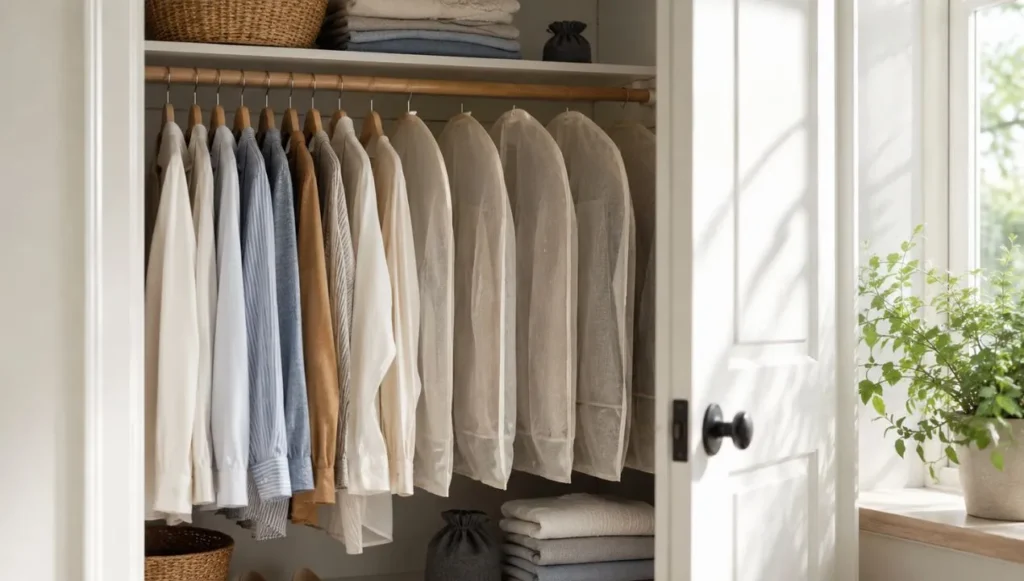
Leave small gaps between hangers. Do not press clothes tightly together. Keep the floor as clear as possible. Avoid pushing boxes against the back wall if the closet already feels humid.
Can simply opening the closet door help? Yes, especially if the room itself has good airflow. Opening the door for a short time allows trapped air to escape and helps the closet dry out.
If your closet is small, airflow matters even more. A tiny closet filled from wall to wall will smell stale sooner than a larger closet with breathing room.
Step 5: Use Baking Soda for Closet Odor
Baking soda for closet odor is simple and inexpensive. It works best for mild, everyday smells.
Place baking soda in a small open container on a shelf or in a safe corner where it will not spill. You can also place a breathable pouch in a shoe area, as long as it stays contained.
Baking soda does not perfume the closet. It helps absorb unwanted odors. That makes it useful for people who want to keep clothes smelling fresh naturally without adding fragrance.
How do you know if it is working? The closet should smell less stale over time. If the odor does not improve after cleaning, drying, and using baking soda, the issue may be stronger than surface-level odor.
Step 6: Use Activated Charcoal for Stronger Odors
Activated charcoal is one of the best odor absorbing closet ideas for spaces that smell deeply stale. It can help with odors from shoes, closed storage, and humidity-prone areas.
Charcoal bags are convenient because they are tidy and easy to place on shelves, near shoes, or inside storage zones. They are usually a better choice than loose powders in closets with clothing.
Which is better: baking soda or charcoal? Baking soda is enough for light odor. Activated charcoal is usually better for stronger smells or closets that stay closed most of the day.
For best results, use charcoal after cleaning the closet and removing damp items. It should support a clean system, not compensate for poor storage.
Step 7: Add Cedar Blocks for a Natural Closet Scent
Cedar blocks for closets are useful when you want a light woody scent without using synthetic fragrance. Cedar can make a wardrobe smell cleaner and more natural.
Place cedar blocks, cedar rings, or cedar sachets near hanging clothes, shelves, or drawers. Do not overdo it. Too much cedar in a small closet can become stronger than expected.
Cedar works best in a dry closet. If the space is damp or musty, fix the moisture first. A cedar scent over mildew odor will not feel fresh.
Over time, cedar can lose its scent. Some unfinished cedar pieces can be lightly refreshed, depending on the product. The key is to use cedar as part of a clean storage routine, not as a cover-up.
Step 8: Choose Breathable Storage for Clothes
Storage can make or break a fresh closet.
Plastic bins with tight lids can protect clothes, but they can also trap moisture if garments are not perfectly dry. Cardboard can absorb musty smells. Fabric bins allow more airflow but should be kept clean.
Breathable storage for clothes is especially helpful for sweaters, linens, scarves, and seasonal garments. Cotton garment bags, breathable bins, and loosely folded storage can reduce stale odors.
Should seasonal clothes be sealed away? Sometimes, yes. But only after washing, drying, and folding them properly. If you seal a slightly stale garment in a bin, it will not come out smelling better months later.
Best Option Depending on Your Situation
If your closet smells mildly stale, start with cleaning, airflow, and baking soda. This is the easiest combination for everyday freshness.
If your closet smells like shoes, separate footwear, dry shoes before storage, and use activated charcoal near the floor.
If your closet smells musty after humid weather, focus on moisture prevention. Airflow, dry storage, and removing damp fabrics matter more than fragrance.
If you want a pleasant natural scent, use cedar blocks or dried lavender after the closet is clean. Scent should be the finishing touch, not the first step.
If you store delicate clothes, avoid anything that sheds, leaks oil, or leaves residue. Keep natural scent products contained and away from direct contact with fabrics.
Real-World Examples
A bedroom closet with too many clothes may smell stale even if everything is washed. In this case, the fix is not more fragrance. The fix is spacing. Remove items you do not wear, leave gaps between hangers, and open the door regularly.
A hallway closet that stores shoes and coats may smell worse in rainy weather. The best solution is a drying zone. Let shoes and coats air out before they go inside. Add charcoal near shoes and keep the floor clean.
A linen closet may smell old because sheets and towels were stored before fully dry. Wash them again if needed, dry them completely, and store them with space around each stack.
A wardrobe in a humid room may need a bigger change. If the room itself holds moisture, the closet will too. In that case, natural odor absorbers help, but moisture control is the real solution.
Mistakes That Cause You to Lose Results
The first mistake is spraying fragrance into a dirty closet. It may smell better for a few minutes, but the odor usually returns. Worse, fragrance can mix with musty fabric and create a heavier smell. Clean first, then use natural freshness methods.
The second mistake is storing damp items. A rain jacket, towel, or thick sweatshirt can create odor quickly in a closed closet. Let items dry outside the closet before storing them.
The third mistake is overcrowding. When clothes are packed too tightly, air cannot move. Fabrics hold odor longer, and the closet feels stale faster. Remove items you do not use and create breathing room.
The fourth mistake is ignoring shoes. Shoes are often the strongest odor source in a closet. Keep them dry, give them space, and avoid placing them directly under clean garments.
The fifth mistake is using the wrong storage. Sealed plastic can trap moisture, while old cardboard can hold musty odors. Choose breathable storage when possible, especially for clothes and linens.
The sixth mistake is expecting one product to solve everything. Baking soda, charcoal, and cedar help, but they work best after the closet is cleaned, dried, and organized.
Fresh Closet Checklist
Use this checklist when you want quick, practical results:
- Remove everything and identify the strongest odor source.
- Vacuum corners, shelves, baseboards, and flooring.
- Wipe hard surfaces and let the closet dry fully.
- Store only clean, completely dry clothes.
- Keep shoes separate from hanging garments.
- Leave space between hangers and folded stacks.
- Use baking soda for mild odor or charcoal for stronger odor.
- Add cedar blocks only after the closet is clean and dry.
- Avoid sealing seasonal clothes unless they are fully fresh and dry.
- Open the closet regularly to release trapped air.
Final Recommendation Based on User Profiles
If you are a beginner, start with the simplest plan: clean the closet, remove damp items, add baking soda, and open the door daily.
If you need the fastest solution, remove shoes and laundry first. Those two sources often cause the biggest improvement.
If you live in a humid home, prioritize closet moisture prevention. Natural odor absorbers will not solve a damp environment by themselves.
If you want long-term freshness, combine breathable storage, regular cleaning, airflow, and cedar or charcoal. That system keeps the closet fresh without depending on air freshener.
FAQs
How do I keep my closet smelling fresh without air freshener?
Start by removing odor sources such as damp clothes, worn shoes, dirty laundry, and dusty storage. Clean the closet, let it dry, improve airflow, and add natural odor absorbers like baking soda, activated charcoal, or cedar blocks. This works better than fragrance because it targets the cause of the smell.
Why does my closet smell musty even after cleaning?
A musty smell can remain if moisture is trapped in the closet, clothes are stored too tightly, shoes are not fully dry, or the room has poor ventilation. Check walls, floors, shelves, and storage bins. If the smell returns quickly, focus on dryness and airflow rather than adding scent.
Is baking soda good for closet odor?
Yes, baking soda can help absorb mild closet odors. Place it in an open container or breathable pouch where it will not spill. It works best after the closet has been cleaned and dried. For stronger odors, activated charcoal may be more effective.
Are cedar blocks safe for keeping clothes fresh?
Cedar blocks are commonly used in closets for a natural woody scent. Keep them near clothes but avoid direct contact with delicate fabrics if there is any risk of residue or rubbing. Cedar works best in a clean, dry closet and should not be used to cover up a mildew smell.
What is the best way to prevent clothes from smelling stale in storage?
Wash clothes before storing them, dry them completely, and use breathable storage when possible. Avoid packing garments too tightly or sealing anything that smells even slightly damp or stale. For seasonal storage, add an odor absorber and check the items occasionally if the space is humid.