Does buy now pay later affect credit score

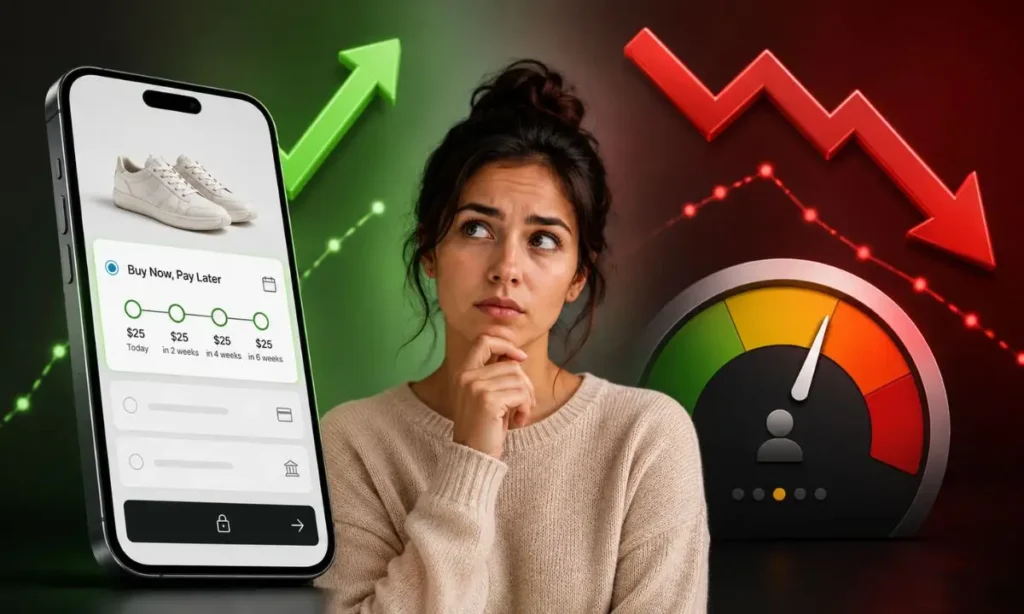
Have you ever wondered how buy now, pay later (BNPL) options might impact your credit score? With the rise of BNPL services, many consumers are left questioning whether this convenient payment method could help or harm their financial standing.
This article will delve into the relationship between BNPL and credit scores, providing valuable insights into how these payment options work and their potential effects on your credit report. Understanding this connection is crucial for making informed financial decisions.
We will explore key topics such as whether BNPL appears on your credit report, how it influences your credit score, and the mechanics behind these payment plans.
Does Buy Now, Pay Later Affect Your Credit Score?

Does Buy Now, Pay Later Affect Your Credit Score?
The growing popularity of Buy Now, Pay Later (BNPL) services raises important questions regarding their impact on credit scores. Many consumers wonder, does buy now pay later affect credit score? The answer can vary depending on how these services report to credit bureaus.
Typically, BNPL providers do not report your payment history to the major credit bureaus unless you default on a payment. For instance, if a consumer named Sarah uses a BNPL service for a $300 purchase and pays on time, it usually has no impact on her credit score. However, if she misses a payment, the provider may report this delinquency, potentially harming her score.
- Positive Payment History: Consistently paying on time may help build a positive credit history.
- High Utilization: If a consumer uses multiple BNPL services and accumulates high balances, this could negatively affect their credit utilization ratio.
- Hard Inquiries: Some BNPL companies may conduct hard inquiries, which can temporarily lower credit scores.
For example, John frequently uses a BNPL service and has several active plans. He pays them off on time, but the cumulative debt may raise red flags for lenders assessing his creditworthiness. Therefore, while BNPL can be a useful financial tool, understanding its potential effects on your credit score is essential.
Does buy now pay later appear on your credit report

Does buy now pay later appear on your credit report
Buy Now, Pay Later (BNPL) services can have varying impacts on your credit report, depending on the provider and specific terms of the agreement. Understanding how these services are reported is crucial for consumers.
Generally, BNPL transactions may or may not appear on your credit report based on the following factors:
- Provider Reporting Practices: Some BNPL companies, like Afterpay and Klarna, do not report to credit bureaus, meaning the usage may not affect your credit score directly.
- Payment History: If you make timely payments, this could positively reflect in your credit report if the provider reports to bureaus.
- Credit Utilization: High utilization of BNPL services can indicate financial strain, which may be noted if the provider reports your activity.
For example, if you use Affirm for a purchase and miss a payment, this could negatively impact your credit score if Affirm reports to credit bureaus, which they do for some accounts.
Additionally, some BNPL services may perform a soft inquiry when you apply, which does not impact your credit score but could be visible on your report. It is essential to understand the specific policies of your BNPL provider to gauge their impact on your credit health.
What is buy now pay later and how does it work

What is buy now pay later and how does it work
Buy Now, Pay Later (BNPL) is a financial service that allows consumers to purchase goods and services immediately while deferring payment to a later date. Typically, this involves splitting the total cost into smaller, manageable installments. Many retailers partner with BNPL providers to offer this service at checkout, making it an attractive option for budget-conscious shoppers.
The process generally works as follows: a consumer selects a product, chooses the BNPL option at checkout, and provides some basic information. The BNPL provider conducts a quick credit assessment, often without impacting the consumer's credit score. Once approved, the consumer makes an initial payment, followed by scheduled payments over a designated period, usually ranging from a few weeks to several months.
- Instant Approval: Most BNPL services provide instant approval, allowing consumers to complete purchases quickly.
- Flexible Payments: Payment plans can vary, with options like bi-weekly or monthly installments.
- No Interest: Many BNPL plans offer interest-free periods if payments are made on time.
For example, a consumer buying a $300 item might pay $100 upfront and the remaining $200 over the next two months in $100 installments. This flexibility can help consumers manage their finances but also requires responsible budgeting to avoid missed payments.
How credit scores are calculated

How credit scores are calculated
Credit scores are determined by a combination of factors that reflect an individual's creditworthiness. The most commonly used scoring model is the FICO score, which ranges from 300 to 850. Understanding how these scores are calculated can help consumers make informed financial decisions.
The key components that influence credit scores include:
- Payment History (35%): This is the most significant factor. It accounts for whether payments are made on time. Late payments can severely impact the score.
- Credit Utilization (30%): This ratio compares the total credit used to the total credit available. A lower utilization rate is favorable.
- Length of Credit History (15%): Longer credit histories tend to indicate reliability, thus positively affecting scores.
- Types of Credit in Use (10%): A mix of credit types—such as credit cards, mortgages, and installment loans—can enhance a credit profile.
- New Credit (10%): Opening multiple new accounts in a short period can signal risk, potentially lowering the score.
For example, if an individual has a credit card limit of $10,000 and a balance of $2,000, their credit utilization ratio is 20%. Maintaining a utilization rate below 30% is generally recommended to keep scores healthy.
It is essential for consumers to regularly check their credit reports and understand how their financial behavior affects their scores. This proactive approach can lead to better financial outcomes, especially when considering options like Buy Now, Pay Later services.
Positive effects of buy now pay later on credit score
Positive effects of buy now pay later on credit score
Buy Now, Pay Later (BNPL) services can have beneficial effects on your credit score, particularly when used responsibly. One of the primary advantages is that they often allow consumers to make purchases without incurring high-interest debt. By making timely payments, users can demonstrate their creditworthiness.
According to a report by Experian, approximately 25% of BNPL users have seen an improvement in their credit scores after consistently making payments on time. This is largely due to the positive payment history that contributes to the overall credit score calculation.
- Improved payment history: Regular payments can enhance your credit profile.
- Credit utilization boost: BNPL can help maintain lower credit utilization ratios.
- Access to credit: Responsible use of BNPL can lead to better terms on future loans.
For example, if a consumer uses a BNPL service to purchase a $400 electronic device and pays it off within the designated period, they not only acquire the product but also establish a record of timely payments. This behavior can positively influence lenders' assessments of their creditworthiness in future transactions.
Furthermore, some BNPL providers report payment activity to credit bureaus, which can help users build a more robust credit profile. This feature is particularly beneficial for individuals with limited credit history, as it provides them with an opportunity to establish their credit score over time.
Negative effects of buy now pay later on credit score

Negative effects of buy now pay later on credit score
While Buy Now, Pay Later (BNPL) services offer convenience, they can also negatively impact your credit score if not managed carefully. One significant risk is the potential for overextension of credit. When consumers use multiple BNPL services, they may accumulate several outstanding debts, leading to payment difficulties.
For instance, a study from 2022 revealed that 42% of BNPL users reported missing a payment at least once. Missing payments can result in late fees and, ultimately, a negative mark on your credit report. This can lower your credit score significantly, especially if the missed payment is reported to credit bureaus.
- Increased debt load: Using multiple BNPL services can inflate your total debt, which may negatively affect your credit utilization ratio.
- Hard inquiries: Some BNPL providers perform hard credit checks, which can temporarily lower your credit score.
- Short credit history: BNPL transactions may not contribute positively to your credit history, as they are often not reported to major credit bureaus.
Additionally, a case involving a consumer named Sarah highlights these risks. Sarah frequently used BNPL for online shopping, accumulating debt across various platforms. When she faced unexpected expenses, she struggled to make payments and saw her credit score drop from 720 to 650 within just a few months.
In conclusion, while BNPL can be beneficial, it's crucial to monitor your usage and understand how it can impact your credit health. Responsible management is key to avoiding negative consequences.
How BNPL Providers Report Payments to Credit Bureaus
Buy Now, Pay Later (BNPL) providers report payments to credit bureaus in various ways, which can significantly affect your credit score. Understanding how different BNPL services handle reporting can help you manage your credit more effectively.
Does Klarna Affect Your Credit Score?
Klarna typically does not perform a hard credit check when you use its services. However, it may report your payment history to credit bureaus. This means:
- If you consistently make on-time payments, it can positively influence your credit score.
- Late payments or defaults may lead to a negative impact on your credit history.
Using Klarna responsibly can enhance your credit profile, but missed payments could have the opposite effect.
Does Afterpay Affect Your Credit Score?
Afterpay does not report to credit bureaus unless an account is sent to collections. For most users, this means that your credit score remains unaffected while using Afterpay. However:
- Late payments can lead to collections, which would then negatively impact your credit score.
- Managing your payments diligently is crucial to avoid potential credit damage.
Does Affirm Affect Your Credit Score?
Affirm conducts a soft credit check when you apply for financing, which does not affect your credit score. However, Affirm may report your payment history to the bureaus. This reporting leads to:
- On-time payments improving your credit score over time.
- Late payments resulting in negative marks on your credit report.
Using Affirm can be beneficial for building credit if payments are made on time.
Tips for using buy now pay later responsibly
To maximize the benefits of Buy Now, Pay Later (BNPL) services while minimizing risks to your credit score, consider the following strategies:
- Set a budget: Before making a purchase, determine how much you can afford to repay within the agreed timeframe. This helps avoid overspending.
- Understand the terms: Read the fine print of the BNPL agreement, including interest rates and potential fees for late payments.
- Track your payment schedule: Keep a calendar or reminder system to ensure you make payments on time, which is crucial for maintaining a positive credit score.
For instance, if you use a BNPL service with a repayment plan of $100 per month for three months, ensure your budget allows for this amount without impacting your essential expenses.
Additionally, consider these best practices:
- Limit the number of BNPL purchases: Frequent usage can lead to financial strain and difficulty managing multiple repayments.
- Use BNPL for essential items: Prioritize necessary purchases over non-essential ones to maintain financial health.
By implementing these tips, you can enjoy the convenience of BNPL services while safeguarding your credit score and overall financial well-being.
How Long Do BNPL Late Payments Stay on Your Credit Report?
Late payments associated with Buy Now, Pay Later (BNPL) services can significantly impact your credit report. Typically, if you miss a payment, it will be reported to credit bureaus after a grace period, which usually lasts about 30 days. However, this timeline can vary depending on the BNPL provider.
Once reported, a late payment can remain on your credit report for up to seven years. This duration is similar to other types of negative credit events, such as missed credit card payments or loan defaults. Over time, the impact of the late payment decreases, but its presence can hinder your credit score during that period.
- 30 Days Late: Reported to credit bureaus after 30 days.
- 60 Days Late: Further penalties and potential additional fees may apply.
- 90 Days Late: Considered a serious delinquency, significantly affecting your score.
For example, if you fail to make a payment on a BNPL service in March, the provider may report it in early April. This late payment will remain on your credit report until April of the following year, and it can negatively affect your credit score throughout that time.
Understanding the timeline associated with BNPL late payments is crucial for maintaining a healthy credit profile. Proactive management of your payments can help you avoid these long-lasting negative effects.
Alternatives to buy now pay later for building credit
While Buy Now, Pay Later (BNPL) services offer flexibility, there are several alternatives that can help build credit effectively. Understanding these options can provide better control over financial health.
- Secured Credit Cards: These cards require a cash deposit that serves as your credit limit. According to the Consumer Financial Protection Bureau, using a secured credit card responsibly can improve your credit score over time.
- Credit Builder Loans: Offered by credit unions and some banks, these loans are designed specifically to help individuals build credit. Payments are reported to credit bureaus, and the funds are typically released to you after the loan is paid off.
- Authorized User Status: Becoming an authorized user on someone else's credit card can positively impact your credit. If the primary cardholder maintains a good payment history, it may enhance your credit score.
For instance, a secured credit card may have a minimum deposit of $200, which becomes your credit limit. If you make timely payments, you can see a significant increase in your credit score within a few months, as reported by Experian.
Moreover, using credit responsibly—keeping utilization below 30% and making on-time payments—can lead to a credit score increase of up to 100 points over time, according to FICO. This demonstrates how effective traditional credit-building methods can be compared to BNPL options.
How to check if buy now pay later affects your credit score
Understanding how Buy Now, Pay Later (BNPL) services influence your credit score is crucial for maintaining a healthy financial profile. Start by obtaining a copy of your credit report from one of the major credit bureaus—Equifax, Experian, or TransUnion. You are entitled to one free report annually from each bureau, which allows you to see how BNPL accounts are reported.
Once you have your report, examine the section detailing your credit accounts. Look for any entries related to BNPL services, such as Afterpay or Klarna. These entries will indicate whether these accounts are being reported to the credit bureaus and if they show your payment history.
- Check payment history: Confirm if your BNPL payments are recorded accurately.
- Review hard inquiries: Some BNPL services may perform a hard inquiry, impacting your score.
- Monitor utilization: Evaluate how much of your available credit you are using, as this can also affect your score.
For instance, if you used Afterpay for a $400 purchase and made timely payments, it may boost your credit score. However, if you miss a payment, the negative effect could linger. Late payments can remain on your credit report for up to seven years, significantly impacting your creditworthiness.
Finally, consider using credit monitoring services that provide alerts about changes to your score, including any impacts from BNPL usage. This proactive approach helps you stay informed and manage your credit health effectively.

Frequently asked questions about buy now pay later and credit scores
Many consumers have questions about how Buy Now, Pay Later (BNPL) services impact their credit scores. Here are some frequently asked questions that provide clarity on the subject:
- Do all BNPL services report to credit bureaus? Not all BNPL providers report payment activity to credit bureaus. Some may only report if a payment is late or if the account is sent to collections.
- Can I improve my credit score using BNPL? Yes, responsible use of BNPL, such as making on-time payments, can potentially improve your credit score over time.
- What happens if I default on a BNPL payment? Defaulting on a payment can lead to late fees and may result in your account being sent to collections, which can negatively impact your credit score.
Understanding the specifics is essential. For instance, if a BNPL service reports your payment history, timely payments can contribute positively to your credit profile. Conversely, missed payments can remain on your credit report for up to seven years, significantly affecting your creditworthiness.
Another important aspect is the debt-to-income ratio. If you accumulate too much BNPL debt, it may increase your overall debt load, potentially lowering your credit score.
In conclusion, while BNPL services can offer financial flexibility, it is crucial to use them wisely to maintain a healthy credit score. Always check the terms of your BNPL agreement to understand how it may affect your credit standing.
Frequently Asked Questions
How does using buy now pay later affect my credit score?
Using Buy Now, Pay Later (BNPL) services can impact your credit score differently based on the provider. Some BNPL services report payments to credit bureaus, potentially helping to build your credit, while others do not, which means they may not affect your score.
Can I improve my credit score with buy now pay later services?
Yes, you can improve your credit score with BNPL services that report your payment history. By making timely payments, you can demonstrate responsible credit behavior, which may positively influence your overall credit score over time.
What happens if I miss a payment on a buy now pay later purchase?
If you miss a payment, it may lead to late fees and could negatively affect your credit score if the BNPL provider reports it. Additionally, repeated missed payments may result in account restrictions or collections, impacting your financial health.
Are there any fees associated with buy now pay later services?
Yes, many BNPL services charge fees for late payments or may have initial fees based on the purchase amount. It's crucial to read the terms and conditions to understand all potential fees before using these services to avoid surprises.
Is buy now pay later a good option for building credit?
Buy Now, Pay Later can be a good option for building credit if the service reports to credit bureaus and you manage payments responsibly. However, consider alternative methods for building credit, such as secured credit cards or credit-builder loans, for more consistent results.
Referencias y Fuentes